Synthetic speech has crossed the final frontier. In 2026, the era of robotic, monotonic text-to-speech (TTS) is officially extinct. Today’s generative voice engines capture subtle micro-breaths, genuine emotional inflection, pacing variances, and hyper-realistic timbre indistinguishable from professional voice actors. Whether you are producing podcasts, automating YouTube faceless channels, building real-time conversational agents, or narrating audiobooks, choosing the right voice engine is paramount. Here is our benchmark test of the top 5 AI voice generators dominating 2026.
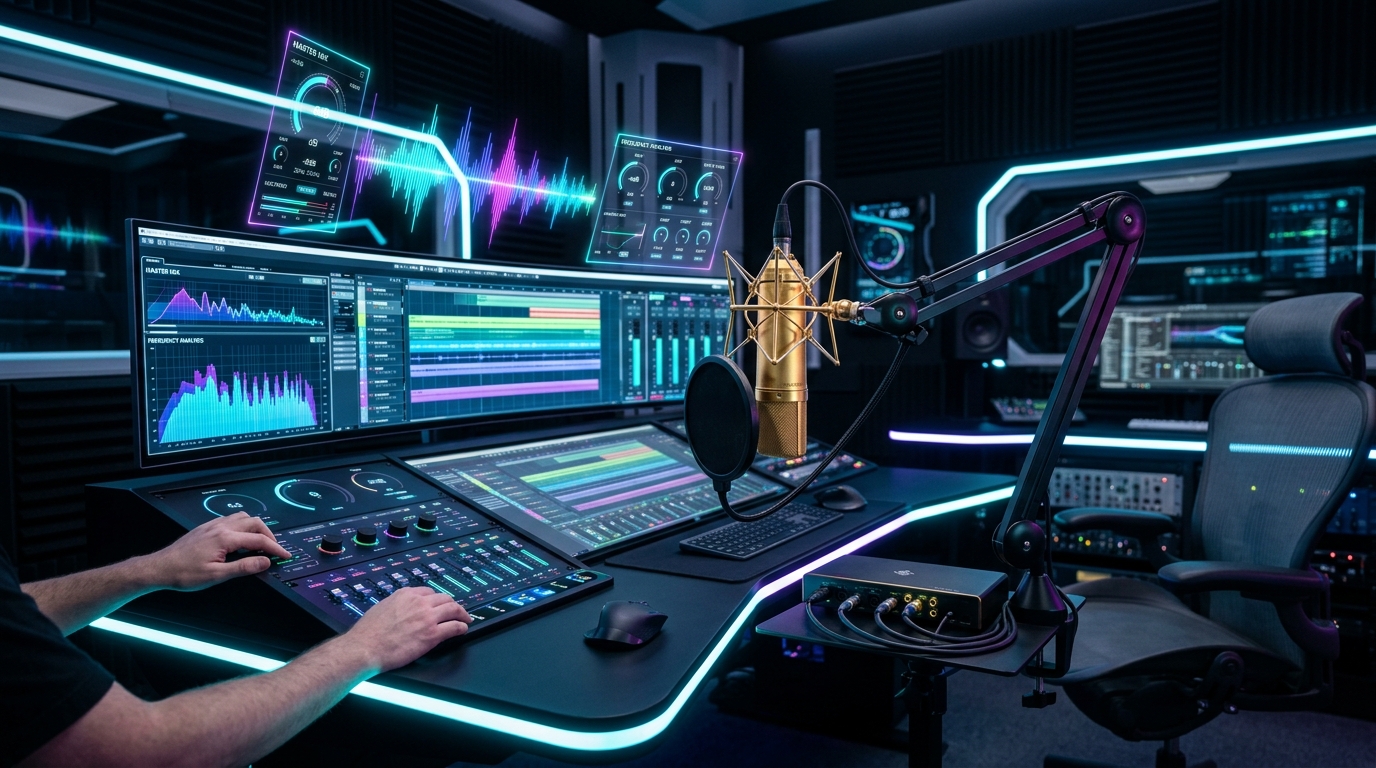
2026 AI Voice Generator Comparison Matrix
1. ElevenLabs — The Undisputed King of Human Emotion
Editor’s #1 Choice
ElevenLabs remains the undisputed leader in neural generative audio. Powered by their multi-lingual model, ElevenLabs generates speech that feels alive: capturing dramatic whispers, enthusiastic laughter, sorrowful cadences, and realistic pacing without manual phoneme tuning.
- Instant voice cloning from a 1-minute clean audio clip
- 29+ languages with native accent localization
- Sound Effects generator & Voice Isolator included
- High-tier character usage burns quickly on long novels
- Commercial rights restricted on free tier
2. Murf AI — The Corporate & Educational Standard
Best for Presentations
While ElevenLabs shines in storytelling and dramatic narration, Murf AI is optimized for business presentations, corporate training, compliance modules, and software product walkthroughs. It includes a built-in visual editor that lets you sync voiceovers directly with slides and video timelines.
- Pitch, speed, and emphasis control per individual syllable
- Integrated royalty-free background music library
- Enterprise-grade SOC2 compliance & team workspaces
- Less raw emotional variance than ElevenLabs
- Slightly more corporate, neutral tone baseline
3. Cartesia Sonic — Ultra-Fast Latency for Voice Agents
Fastest Latency (90ms)
For developers building real-time interactive phone agents, customer support bots, and gaming NPCs, latency is make-or-break. Cartesia Sonic delivers sub-100ms first-byte streaming audio, allowing voice AI to converse seamlessly without awkward conversational pauses.
- Fastest Time-to-First-Audio (TTFA) in the industry (~90ms)
- Native WebSocket and WebRTC streaming integrations
- Zero perceptible robotic artifacts during sustained dialogue
- Geared heavily toward developers rather than casual creators
- Requires API setup or developer dashboard knowledge
4. PlayHT 3.0 — The Audiobook & Long-Form Specialist
Long-Form Champion
Narrating a 10-hour audiobook or multi-chapter novel requires consistent voice pacing without model drift. PlayHT 3.0 provides an author-first studio experience that remembers previous vocal contexts, paragraph transitions, and character differentiation across massive text blocks.
5. Suno AI v3.5 — Full Musical Vocals & Soundtracks
Music & Singing Voice
Unlike standard TTS engines, Suno generates full vocal songs complete with realistic vibrato, pitch runs, harmonies, and studio backing tracks across any musical genre—from indie pop to heavy metal and cinematic EDM. It is the go-to tool for creators adding custom theme songs or commercial jingles to their content.
Frequently Asked Questions (FAQ)
Can YouTube monetize videos created with AI voiceovers?
Yes. YouTube’s official monetization policy permits AI-generated voiceovers as long as the content adds significant educational, transformative, or entertainment value. However, purely repetitive, automated re-uploads without original commentary may face scrutiny.
Which tool is best for cloning my own voice?
ElevenLabs provides the highest fidelity instantaneous clone. With just 60 seconds of clean microphone audio, its neural model captures your specific cadence, accent, and pitch dynamics with over 99% accuracy.
Discover 100+ Verified AI Tools on Get AI Updates
Explore our curated directory of top-rated AI models, voice synthesizers, coding copilots, and productivity powerhouses.